dog blog
Dog Bed for Dogs with Joint Problems – Which Bed Should You Choose?


Looking for the right dog bed for a pet with joint issues? Discover orthopedic dog beds designed for dogs suffering from joint diseases. Should you go for a classic bed or a wooden dog bed with an orthopedic mattress? How thick should the mattress be? What are the benefits of memory foam? And when is it best to use an orthopedic dog bed?

Why an Orthopedic Bed Matters
Your dog’s health depends largely on your awareness and care. Every owner makes mistakes, which is why it’s important to learn about your dog’s breed predispositions—especially if it’s your first pet. Large and mixed-breed dogs, for instance, are more prone to spinal and joint problems. Using an orthopedic mattress early on can help prevent conditions like dysplasia or degenerative joint disease.
By choosing a bed filled with memory foam, you not only provide comfort but also reduce the risk of future health issues. Some beds even combine the function of a dog crate with the health benefits of memory foam, creating multifunctional furniture for your pet.
Which Bed Is Best for Dogs with Joint Issues?
Joint pain, dysplasia, curvature, and disc disease often affect large and older dogs. Overweight dogs are also at higher risk due to extra stress on their joints. For them, a comfortable place to rest and sleep is essential—not just for relaxation but also for pain relief.
Veterinarians and experienced owners often recommend orthopedic dog beds. These beds help reduce inflammation, swelling, and pain, while also preventing pressure sores, calluses (commonly on elbows or knees), and complications during recovery after surgery.
A wooden orthopedic dog bed with a removable cover is also a practical choice—it supports hygiene, which is especially important for dogs healing from surgery or wounds.


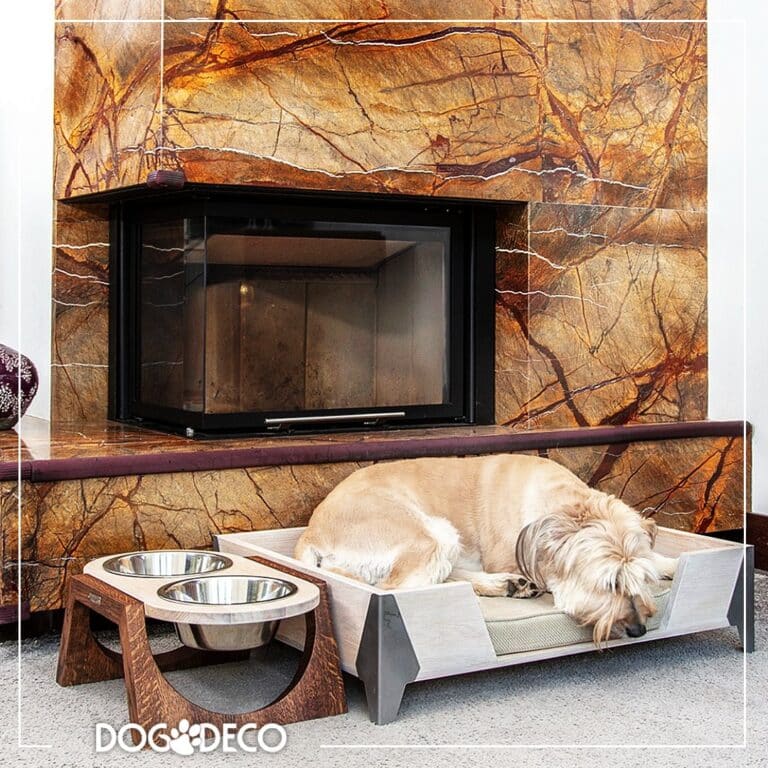
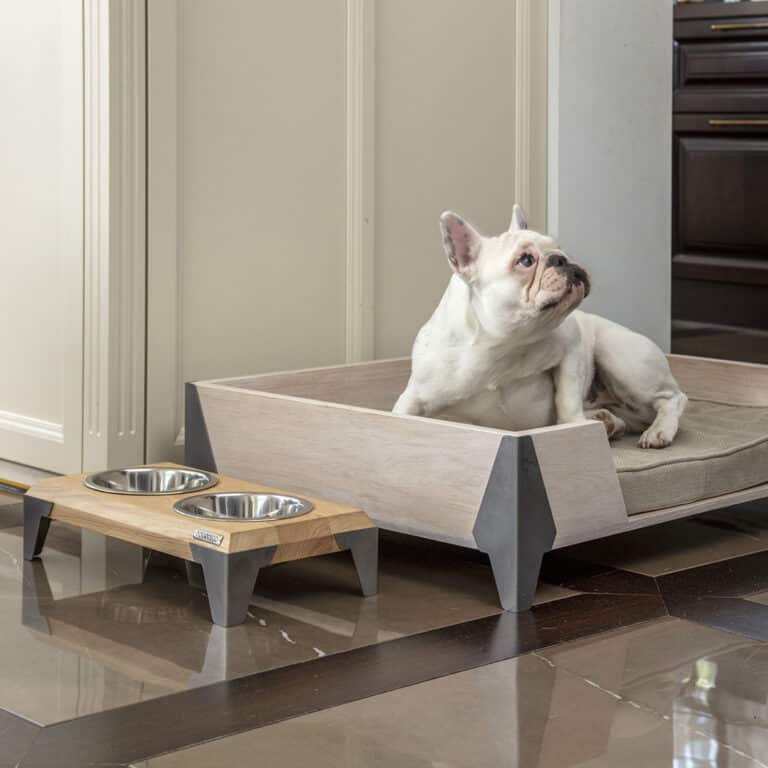
Classic wooden dog bed TORSTEN
Mat, Cushion, or Orthopedic Wooden Bed?
A poorly chosen bed can do more harm than good. Standard mattresses or cushions with synthetic filling often sag and fail to provide proper support. This can worsen skeletal problems by forcing your dog into unnatural positions.
An orthopedic bed offers a flat, even surface that insulates from the ground and supports circulation. It’s especially beneficial for senior dogs, those with spinal issues, or pets with calluses.
Mattress Thickness – What’s Best?
The ideal mattress thickness depends on your dog’s size and weight. Many high-quality beds combine two foam layers:
- Top layer: ~5 cm of thermoelastic memory foam for comfort
- Bottom layer: ~7 cm of dense, durable foam for support
For larger dogs, firmer or layered fillings are recommended to ensure they don’t sink through to the floor. Smaller dogs usually need at least 7 cm of memory foam for proper comfort.
Always choose a bed with a removable, washable cover made from durable, stain-resistant fabric. This keeps the bed hygienic and easy to maintain.
Summary – The Best Bed for Dogs with Joint Problems
When choosing a bed for a dog with dysplasia, arthritis, or degenerative bone conditions, it’s essential to prioritize orthopedic support. Preventive use of orthopedic mattresses is also highly recommended for large breeds and older dogs.
Benefits of orthopedic dog beds include:
- Adapting to the body’s shape
- Relieving spinal pressure
- Improving blood circulation
- Reducing pain, inflammation, and swelling
- Preventing calluses and bedsores
For heavy or large dogs, we recommend at least 7 cm thickness with a dual-layer filling (memory foam + dense foam). For hygiene, opt for a removable, machine-washable cover.
An orthopedic dog bed is not just a luxury—it’s a long-term investment in your dog’s health, comfort, and quality of life.
DogBlog Articles – everything about dogs!