dog blog
Dog Bowl Stand – Which Bowl Size Is Best?

What bowl size will be most comfortable for your four-legged friend? How do you choose the perfect capacity for small, medium, or large dogs? And how much water should your pup drink each day?
Determining the right portions of food and water is often a challenge for dog owners. Before your pet enjoys carefully selected food tailored to its needs, it’s worth thinking about mealtime comfort and hygiene.

Dog Bowl Stand – Choosing the Right Capacity
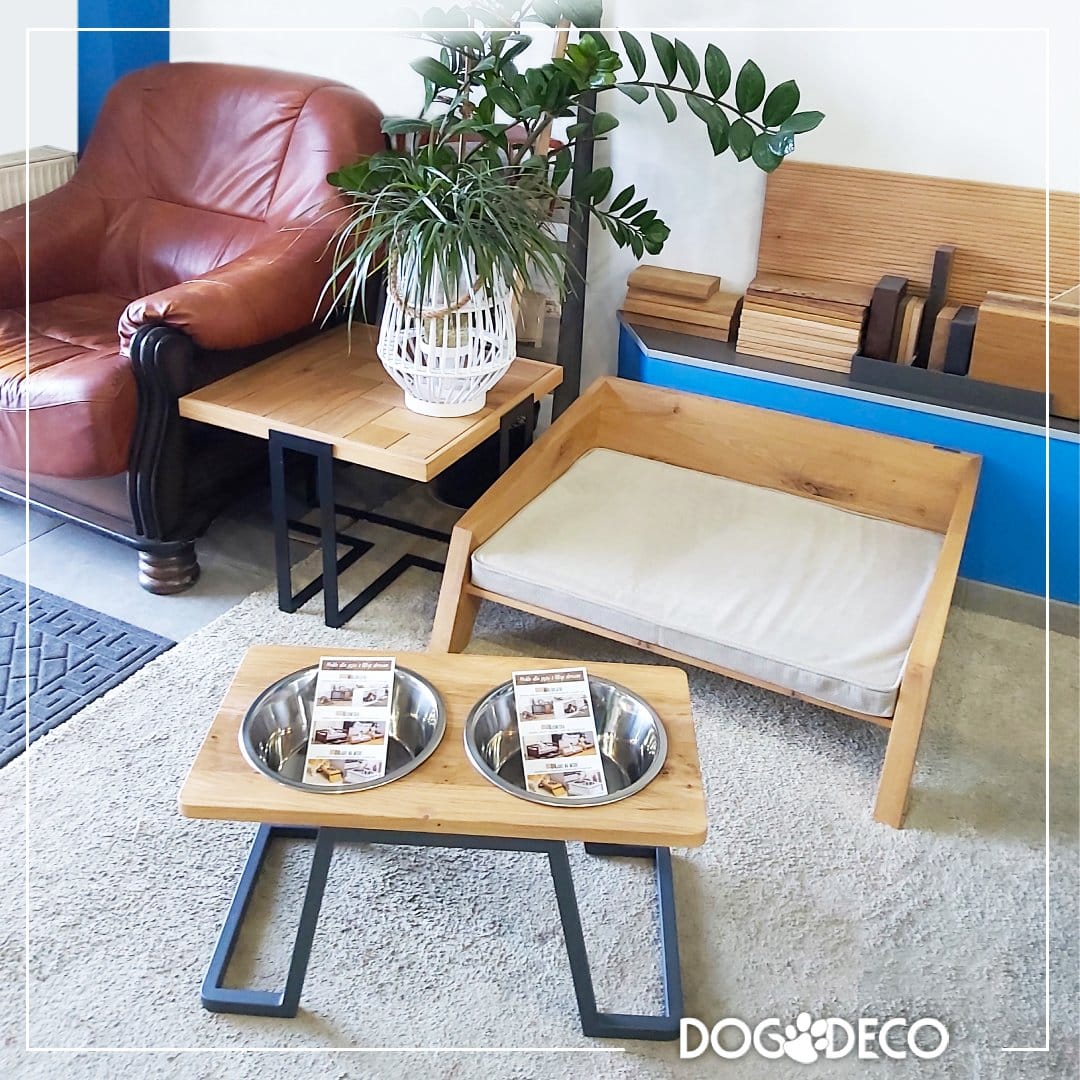
When bringing home a puppy or adult dog, we naturally want to provide the best living conditions. That’s why many owners choose bowl stands that are both practical and stylish. Bowls on stands—whether ceramic or stainless steel—should be the right size for your dog’s needs.
Stability and comfort are key. A sturdy stand ensures stress-free eating and prevents bowls from sliding. Adjustable stands that wobble are not recommended. Plastic bowls may be inexpensive, but they often absorb odors, alter the taste of food, scratch easily, and create breeding grounds for bacteria. Stainless steel or ceramic bowls are far more hygienic and durable.
If your dog is very active and drinks more than average, the water bowl should be larger than standard. Here are general bowl size guidelines by breed:
- Small and toy breeds (Pomeranian, Chihuahua, Dachshund, Corgi, Shih Tzu, etc.) → 500–900 ml
- Medium breeds (Border Collie, Bulldog, Husky, Schnauzer, Boxer, etc.) → 1.8 l
- Large and giant breeds (Great Dane, Newfoundland, Mastiff, German Shepherd, Rottweiler, etc.) → 2.8 l
Metal and oak dog feeder STRATUS (Kopiuj)
Dog feeder with oak top and steel legs ARCANA
Metal and oak dog feeder STRATUS
Solid oak dog feeder VENOM
Elegant wooden dog feeder ROBUST with bowls
Choosing the Right Bowl Size
The ideal bowl size depends on your dog’s size, diet, and daily water needs. Feeding should take place in a calm, quiet area. A bowl stand is a great solution for keeping the space clean and reducing spills. Solid wood stands (e.g., oak coated with durable varnish) combine practicality with aesthetics.
Stainless steel bowls are the most durable, easy to clean, and resistant to heat and deformation. Ceramic bowls are also hygienic, but more fragile and prone to cracks or chips. If buying a stand with two bowls, check that both the bowls and the stand are strong and long-lasting.
The right bowl depends on:
- food and water requirements
- muzzle shape (shallow, deep, or conical bowls for long-eared breeds)
- allergy concerns
- dog size
- eating speed (slow-feeding bowls for fast eaters)
- temperament and activity level
Practical Tips by Size
- Small dogs: Bowls of 500–900 ml, stable and durable. Anti-slip feet or a stand help prevent tipping.
- Medium dogs: Bowls of around 1.8 l, dishwasher-safe if possible. Rubber bases or a sturdy stand prevent movement.
- Large dogs: Bowls of about 2.8 l. A raised stand makes mealtime more comfortable and reduces water spillage.
How Much Water Does a Dog Need Daily?
Water intake depends on your dog’s size, age, health, activity level, diet, medications, and climate. On average, dogs need about 50 ml of water per kilogram of body weight per day (some only 30 ml without risk).
For example:
- A 10 kg dog → about 500 ml per day.
- Needs vary, so always monitor your dog individually.
Signs of dehydration include dry gums, loss of skin elasticity, fatigue, rapid breathing, or infrequent, darker urine. Fresh water should always be available.